A warehouse can lose substantial energy through its roof, walls, doors, and loading bays. During winter, heated air escapes through poorly insulated panels. In summer, solar heat enters the building and forces cooling systems to work harder. These losses increase utility bills, reduce indoor comfort, and may affect temperature-sensitive inventory.
Understanding how to improve insulation in warehouses begins with a practical inspection. Facility teams should check roof joints, wall seams, dock doors, roller shutters, and damaged insulation. A cold morning can reveal weak areas through condensation, drafts, or visibly colder surfaces. Infrared cameras can provide stronger evidence, although results depend on correct operation and weather conditions. Small gaps matter.
Effective improvements may include replacing compressed insulation, sealing penetrations, installing insulated dock doors, and adding air curtains where suitable. The correct material depends on the warehouse structure, climate, fire-safety requirements, and moisture exposure. Professional energy assessments can estimate heat loss and compare payback periods before work begins. This prevents expensive upgrades that deliver little value.
Experience shows that insulation alone does not solve every energy problem. Unsealed doors can undermine an otherwise strong building envelope. Poor ventilation control can create new moisture concerns. Maintenance also matters. A damaged roof can quietly reduce insulation performance for months. Reliable results require documented inspections, qualified contractors, and measured energy use after improvements. Perfect efficiency is unlikely, but careful decisions can produce warmer winter floors, cooler storage zones, and lower operating costs.
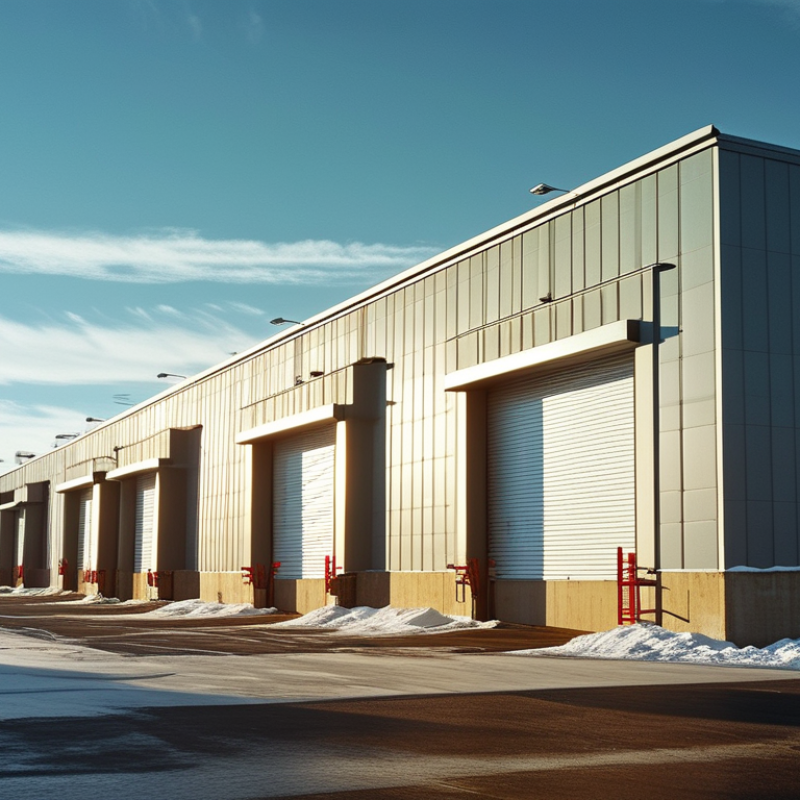
Heat moves constantly through a warehouse envelope. It travels by conduction through roof panels, walls, and concrete floors. It also moves by convection when warm air rises toward the roof. Radiation from sun-heated metal surfaces can raise indoor temperatures quickly. Insulation slows these pathways by adding resistance between indoor and outdoor conditions.
In practical warehouse assessments, roof insulation often deserves close attention. A poorly insulated roof can feel hot beneath direct sunlight, even when air conditioning is running. Dense insulation materials reduce heat flow through panels and help stabilize indoor temperatures. Sealed joints matter too. Small gaps matter. Air leakage can carry heat around otherwise effective insulation.
Insulation also supports more consistent working conditions near loading doors and storage aisles. When doors open repeatedly, temperature control becomes difficult, and insulation cannot solve everything. That limitation deserves honest attention. Door seals, ventilation, moisture control, and equipment settings must work together. In cold regions, warm indoor air may condense on cold metal surfaces, creating damp patches or corrosion risks. Correct thickness, careful installation, and local building requirements should guide the design. A site-specific heat-loss calculation is more reliable than copying a standard specification.
Poor insulation lets warehouse energy escape through more than thin walls. Heat commonly rises through roof panels, especially around damaged seams, skylights, and poorly sealed penetrations. In summer, the same areas allow solar heat to enter. The roof becomes a large, silent radiator.
The dock is often worse. Every opening door exchanges conditioned air with outdoor air, while worn seals leave narrow gaps after closing. Heated air can also leak through wall joints, emergency exits, and utility openings. These losses are easy to miss during a routine walk-through. A cold draft near a loading bay may seem minor, but repeated openings can force heating equipment to operate for hours.
Cold bridges create another problem. Steel framing, concrete edges, and fasteners can transfer heat around insulation layers. Moisture may then collect on colder interior surfaces, damaging packaging or encouraging surface mold. In practical energy audits, infrared scans and surface temperature readings can reveal these weak points. However, the scan is not perfect. Stored goods, airflow, and outdoor weather can distort results. A second inspection under different conditions is wiser.
Insulation thickness also matters, but installation quality matters more than many managers expect. Compressed batts, open joints, and missing vapor control can reduce real performance. A small repair may fail if the surrounding barrier remains broken. Warehouse teams should inspect roof edges, dock seals, wall connections, and door frames regularly. The neglected corner usually costs more than expected.
Warehouse insulation saves energy only when its key areas are treated as one thermal system. The roof deserves close attention because solar heat can turn a metal deck into a hot ceiling. U.S. Energy Information Administration data from the 2018 Commercial Buildings Energy Consumption Survey shows that space heating and cooling account for about 42% of commercial building energy use. Poor roof insulation makes both loads worse.
Wall panels also matter, especially around loading docks and cold-storage rooms. Gaps between panels can create visible drafts near forklifts, doors, and personnel entrances. Insulated dock doors should close tightly, while high-cycle doors need durable seals.
Floors are often overlooked. In refrigerated spaces, floor insulation limits heat entering from the ground and reduces condensation risks. The International Energy Agency reports that buildings consume about 30% of global final energy, so small envelope improvements can support wider efficiency goals.
Still, insulation alone is not magic. Moisture, compression, damaged vapor barriers, and thermal bridges can quietly reduce performance.
Tips: Inspect roof joints, wall seams, door seals, and floor edges during both hot and cold weather. Use infrared scans when practical. Compare insulation specifications with local energy codes and ASHRAE guidance. Do not assume thicker material always performs better. Installation quality often decides the real result. Track indoor temperature, humidity, and monthly energy use after repairs. Some savings may appear slowly. That deserves review.
Warehouse insulation directly affects how hard heating and cooling systems must work. In a poorly insulated building, warm air escapes through the roof during winter. Summer heat enters through metal walls and loading doors. Better insulation slows this transfer and helps indoor temperatures remain stable for longer.
The roof deserves careful attention because it receives intense sunlight. A continuous insulation layer can reduce heat entering the storage area. Wall insulation also limits temperature changes near workstations and racking aisles. Sealed gaps around doors, vents, and joints matter too. Small leaks can undermine otherwise strong insulation. I have seen cold drafts collect near dock doors, forcing heaters to run longer than expected.
Stable temperatures reduce frequent HVAC cycling and lower peak energy demand. They can also improve comfort for workers moving between aisles and loading zones. However, insulation is not a magic fix. Moisture, damaged panels, and thermal bridges may still cause heat loss. A rushed retrofit can perform below its design target. Facility managers should inspect roof condition, measure indoor temperature differences, and review utility data before choosing materials. Local climate, fire requirements, ventilation, and building codes also deserve attention. Even modest improvements can help, but only when installation quality matches the plan.
Evaluate before upgrading. Review twelve months of utility bills and normalize them against heating and cooling degree days. The U.S. Energy Information Administration’s 2018 Commercial Buildings Energy Consumption Survey identifies space heating as the largest end use, representing about 32% of site energy. Warehouse heating demand can rise sharply through thin roofs, damaged wall panels, and open loading docks.
Walk the facility during extreme weather. Look for frost, condensation, uneven temperatures, and dusty air paths.
Infrared scans can reveal cold bridges, but they need proper indoor-outdoor temperature differences. A single scan is not enough.
Check roof insulation, wall assemblies, dock seals, door closers, and penetrations around pipes. Measure moisture before adding layers. Trapped water can reduce performance and damage metal components.
Compare existing U-values with local energy codes and ASHRAE 90.1 requirements. The International Energy Agency’s 2023 Buildings report states that buildings consume around 30% of global final energy, showing why envelope efficiency deserves attention.
Upgrade the weakest areas first. Seal gaps, repair roof insulation, improve dock seals, then consider thicker insulation. Do not assume the thickest option is best.
Reflective coatings may help some roofs, but results depend on climate and surface condition.
Costs, worker access, fire performance, and future maintenance also matter.
My own evaluation would include post-upgrade temperature checks and another year of utility tracking. Savings may disappoint when doors stay open or heating controls remain poorly adjusted.
: Heat often escapes through roof seams, skylights, wall joints, and utility openings. The roof can act like a silent radiator.
Open dock doors exchange indoor air with outdoor air. Worn seals also leave narrow gaps after closing. Small gaps matter.
Roof panels and metal walls can absorb strong sunlight. That heat enters storage areas and increases cooling demand.
Thermal bridges are steel frames, concrete edges, or fasteners that transfer heat around insulation. They may create cold interior surfaces.
Yes. Moisture may collect on cold surfaces and damage packaging. Surface mold may also develop. The risk varies.
Infrared scans and surface temperature readings can reveal cold areas. Inspections near dock doors and roof edges are useful. One scan may mislead.
No. Installation quality often matters more than thickness. Compressed materials, open joints, and missing vapor control reduce performance.
Insulation slows heat movement through roofs, walls, doors, and joints. Indoor temperatures remain stable longer, reducing frequent HVAC cycling.
Review roof condition, indoor temperature differences, and utility data. Consider climate, ventilation, fire requirements, and building codes.
No. Damaged panels, moisture, thermal bridges, and air leaks may remain. A rushed retrofit can underperform. Better planning helps.
Warehouse insulation plays a vital role in controlling heat transfer and maintaining stable indoor temperatures. Without proper insulation, heat can enter through roofs, walls, doors, windows, loading docks, and floor areas, causing heating and cooling systems to work harder. Air leakage around joints, gaps, and poorly sealed openings can further increase energy loss, reduce comfort, and create uneven temperatures throughout the facility.
Understanding how to improve insulation in warehouses begins with a careful evaluation of the building envelope. Facility managers should inspect insulation thickness, moisture damage, thermal bridges, door seals, and areas with noticeable drafts or temperature differences. Upgrading roof and wall insulation, sealing air leaks, improving dock door protection, and insulating vulnerable floor or ceiling sections can reduce heating and cooling demand. Regular maintenance and energy monitoring also help confirm performance improvements, lower operating costs, and support a more efficient warehouse environment.
Homecoxa Panels