Energy efficiency in industrial buildings remains a critical focus for sustainability. Reports indicate that industrial facilities account for over 30% of the world's total energy consumption. Given this massive footprint, understanding how to reduce energy loss in industrial buildings is vital. The U.S. Department of Energy estimates that 20-30% of energy used in industrial facilities is wasted due to inefficient systems and outdated practices.
Implementing effective strategies can significantly decrease this energy loss. For example, optimizing HVAC systems and improving insulation are essential steps. A study from the Lawrence Berkeley National Laboratory found that energy retrofits can save anywhere from 10% to 50% in energy costs, showcasing the potential for impactful changes. However, many facilities overlook these upgrades due to perceived costs or complexity.
Companies need to be aware of the importance of regular energy audits and employee training. Resources like the Energy Star program highlight real-world applications and benefits of energy efficiency. In the pursuit of sustainability, the challenge lies not just in identifying solutions but in fostering a cultural shift within organizations to prioritize energy conservation. Reducing energy loss is not just an option; it's an imperative.
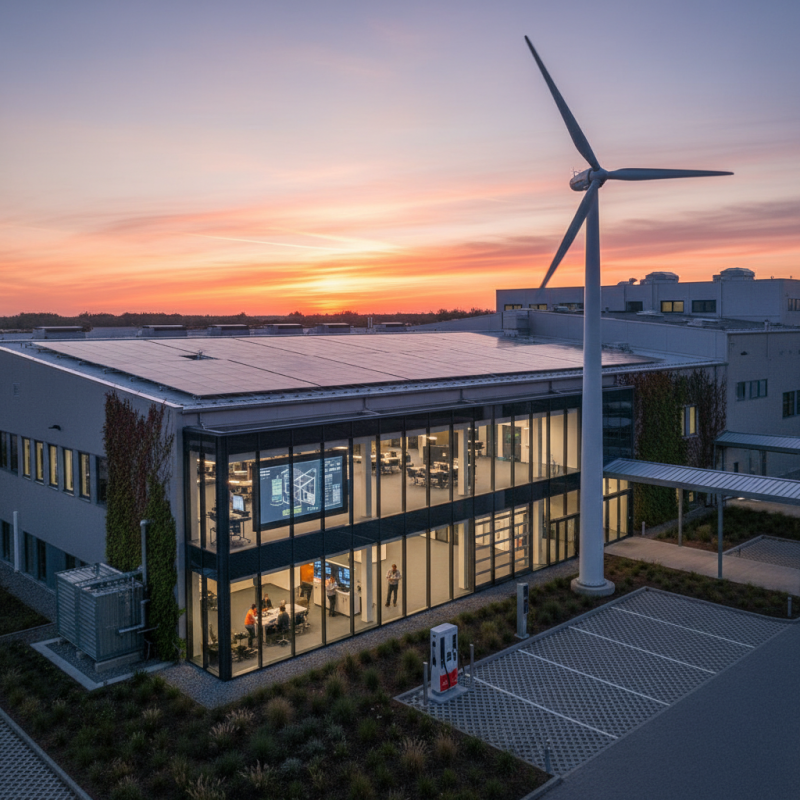
Energy loss in industrial buildings is a significant concern, impacting operational costs and environmental sustainability. Common sources of energy loss include poor insulation, outdated HVAC systems, and air leaks. Studies indicate that inadequate insulation can result in energy loss up to 20%. This not only drives up heating and cooling costs but also contributes to greenhouse gas emissions.
Another major contributor is inefficient lighting. Up to 30% of energy use in industrial buildings can be attributed to lighting, especially when outdated fluorescent systems are in place. Switching to LEDs can significantly decrease this energy waste. However, many facilities continue to rely on older technologies, highlighting a gap between potential savings and current practices.
Air infiltration also plays a crucial role in energy loss. Unsealed windows and doors can cause buildings to lose significant amounts of conditioned air. In fact, it’s estimated that air leaks can account for up to 25% of heating costs in a facility. Addressing these leaks through proper sealing techniques can provide immediate benefits while fostering a culture of energy awareness among employees. This aspect often gets overlooked, leading to missed opportunities for improvement.
| Rank | Energy Loss Source | Reduction Method | Potential Savings (%) |
|---|---|---|---|
| 1 | Inadequate Insulation | Upgrade insulation materials | 10-30% |
| 2 | Air Leaks | Seal gaps and cracks | 5-20% |
| 3 | Inefficient Lighting | Switch to LED systems | 30-70% |
| 4 | Old HVAC Systems | Upgrade to energy-efficient models | 15-40% |
| 5 | Inefficient Equipment | Invest in energy-efficient machinery | 10-25% |
| 6 | Unoptimized Process Controls | Implement automation systems | 5-15% |
| 7 | Poor Maintenance | Regular maintenance schedule | 5-20% |
| 8 | Improper Ventilation | Upgrade ventilation systems | 10-35% |
| 9 | Inefficient Water Heating | Install energy-efficient water heaters | 15-30% |
| 10 | Excessive Standby Loads | Use smart power strips | 5-10% |
: Common causes include poor insulation, outdated HVAC systems, air leaks, and inefficient lighting.
Inadequate insulation can result in energy loss of up to 20%.
Up to 30% of energy use in industrial buildings comes from inefficient lighting, especially old fluorescent systems.
Air leaks from unsealed windows and doors can account for up to 25% of heating costs.
They can reduce energy loss and can account for up to 40% of a building's energy use.
Regular energy audits can find inefficiencies, leading to potential energy savings of 10-30%.
Educating employees promotes a culture of sustainability and can lead to better energy practices.
Inspect insulation, air leaks, and HVAC system efficiency for improvement opportunities.
Smart meters provide real-time data to monitor energy consumption effectively.
Improper sizing and installation can result in uneven heating and cooling, leading to inefficiencies.
Reducing energy loss in industrial buildings is crucial for enhancing efficiency and sustainability. One effective approach is to identify common sources of energy loss, such as air leaks and poor insulation. Implementing advanced insulation techniques can significantly improve energy efficiency by minimizing heat transfer. Additionally, utilizing sophisticated HVAC systems allows for optimal energy management, ensuring that heating and cooling are used effectively.
Regular energy audits play a pivotal role in identifying improvement areas, enabling facility managers to make data-driven decisions. Furthermore, adopting renewable energy solutions not only contributes to lower energy costs but also promotes sustainable operations. By understanding how to reduce energy loss in industrial buildings through these strategies, organizations can achieve significant economic and environmental benefits.

 Homecoxa Panels