Explore high-precision insulation structural assemblies designed to optimize thermodynamic stability, structural integrity, and building envelope lifespan.
The global construction industry is experiencing an unprecedented structural transition driven by stringent energy efficiency directives, rising HVAC operating costs, and carbon neutrality mandates (such as LEED, BREEAM, and DGNB). Modern architectural envelopes are no longer simple protective layers; they are engineered systems crucial to a building's thermal stability. Insulated sandwich panel systems represent the peak of this evolution, integrating structural durability with high thermal efficiency.
Rapid urbanization in emerging economies, combined with a demand for cold-storage logistics due to the expanding pharmaceutical and e-commerce food sectors, has created a global market for premium insulated roofing. Leading architectural engineers now prioritize solutions that minimize thermal bridging, secure Class A fire protection, and withstand extreme climate challenges—from sub-zero polar temperatures to high-humidity coastal zones.
As standard single-skin roofing materials fail to satisfy updated energy codes, composite insulated systems provide a cost-effective, durable alternative. By integrating core insulating materials with protective structural steel skins, these panels deliver high load-bearing capacities over long spans, reducing structural steel requirements and accelerating construction cycles.
How modern thermal envelopes reduce total lifecycle costs (LCC) for global commercial and industrial facilities:
Selecting the correct insulating core material determines the thermodynamic, mechanical, and fire performance profiles of the building envelope.
A highly advanced thermoset plastic material featuring superior thermal resistance and enhanced structural stability.
Non-combustible stone wool fibers designed for industrial facilities with demanding fire-safety criteria.
Lightweight, cost-effective polymers that deliver high mechanical adhesion and reliable moisture insulation.
| Thermal & Structural Property | PIR (Polyisocyanurate) | High-Density Rockwool | PUR (Polyurethane) | EPS (Polystyrene) |
|---|---|---|---|---|
| Thermal Conductivity (W/m·K) | 0.020 - 0.022 | 0.038 - 0.044 | 0.022 - 0.024 | 0.034 - 0.038 |
| Fire Classification (EN 13501-1) | B-s1, d0 (Class 1) | A1 / A2 (Non-combustible) | B-s2, d0 | B-s3, d0 / E |
| Average Core Density (kg/m³) | 40 - 42 | 100 - 120 | 38 - 40 | 15 - 20 |
| Moisture Absorption (Vol %) | < 1.5% | < 5.0% (uncoated) | < 1.5% | < 2.0% |
| Optimal Application Settings | Cold Storage & Commercial Roofs | High-Risk Industrial Firewalls | General Industrial Wall/Roof Panels | Low-load Partition Walls |
Before issuing an RFQ to Chinese manufacturers, procurement departments must specify these core criteria:
For international procurement managers, purchasing industrial building envelope materials requires matching project specifications with verified manufacturing capabilities. Large-scale infrastructure projects—including massive logistics hubs and high-tech cleanrooms—demand certified quality standards to meet local construction and insurance codes.
Key procurement factors include long-term thermal performance retention, panel joint seal integrity, and structural load charts under complex load combinations (snow, wind pressure, and maintenance maintenance loads). Procurement documents should specify outer and inner metal sheet thicknesses (typically ranging from 0.5 mm to 0.8 mm) depending on structural span requirements.
In addition to raw material specifications, buyers require global testing certifications. Conforming to standards such as FM Approval (Factory Mutual), CE marking, ASTM international compliance, and ISO 9001:2015 is essential to pass local building audits and secure property insurance at competitive rates.
China's modern manufacturing sector has transitioned from labor-intensive assembly to Factory 4.0 automation. Leading production plants utilize continuous double-belt laminator technology. These computer-controlled systems precisely blend raw chemical components at high pressures and consistent temperatures, ensuring a uniform foam structure and optimal adhesion between the metal skins and the insulating core.
This automated consistency reduces surface waviness, prevents internal void formation, and eliminates dimensional warping. Real-time digital quality control loops monitor panel density, thickness accuracy (to within ±0.5 mm), and cut-to-length measurements, producing highly consistent output across large volume orders.
Furthermore, China's extensive supply chain network offers high resilience. Production centers near raw material supplies and deepwater ports (such as Shenzhen, Guangzhou, or Shanghai) provide reliable sourcing of raw steel coils and chemicals. This vertical integration, combined with optimized container loading logistics, ensures steady lead times and stable pricing, even during global supply chain disruptions.
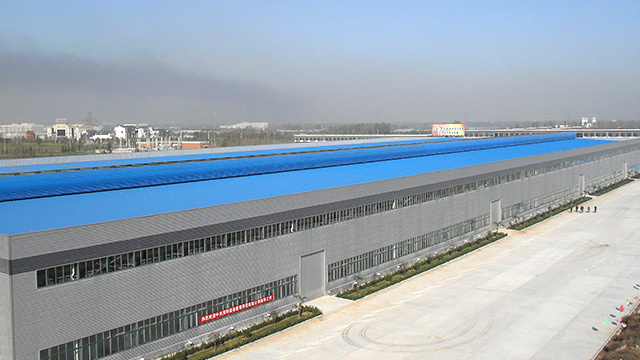
Insulated panels are customized to perform in specific thermodynamic environments, from industrial food logistics to high-end building facades.
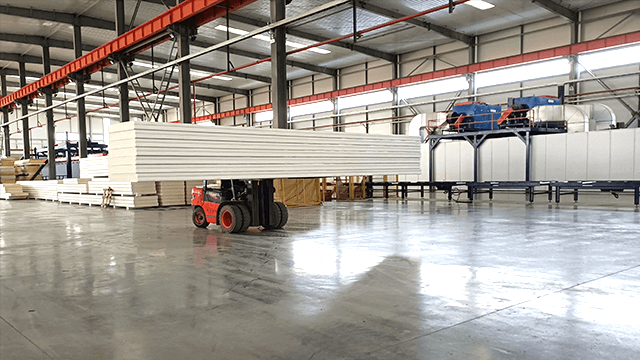
For temperatures down to -40°C, zero-tolerance vapor barriers and continuous thermal envelopes are required. Thicker panel cores (up to 200 mm) prevent heat gain, eliminate condensation on outer surfaces, and ensure consistent thermal containment, reducing refrigeration compressor loads.
Semi-conductor and pharmaceutical manufacturing require dust-free environments and tight temperature control. Panels configured with specialized anti-static and anti-bacterial coatings withstand intensive chemical washdowns and limit bacterial growth.
Coastal developments face high wind loads and salt spray. Using high-durability polyester or PVDF coatings, combined with stainless steel fasteners and structural backplates, prevents corrosion and protects the roof against wind damage.
Dongguan Homecoxa Panels Co., Ltd. is a professional insulated sandwich panel manufacturer specializing in roofing, wall, and cold storage solutions. With years of industry experience, the company is dedicated to providing high-performance building materials that meet the evolving demands of modern construction and cold chain infrastructure.
Homecoxa focuses on the research, development, and production of a wide range of insulated panel systems, including roof sandwich panels, wall panels, cold storage panels, and interior partition and ceiling solutions. All products are manufactured using advanced production lines and high-quality raw materials, ensuring excellent thermal insulation, fire resistance, durability, and structural stability. These panels are widely used in industrial plants, warehouses, cold storage facilities, cleanrooms, commercial buildings, and agricultural projects.
Driven by innovation and quality, Dongguan Homecoxa Panels Co., Ltd. continuously improves its manufacturing processes and product performance to enhance energy efficiency and reduce construction time. The company also offers customized solutions based on specific project requirements, including panel thickness, core materials, and surface finishes.
With a commitment to quality, reliability, and customer satisfaction, Homecoxa has established strong partnerships with clients across global markets. The company strives to deliver sustainable, cost-effective, and easy-to-install panel solutions, supporting customers in building efficient, durable, and environmentally friendly structures worldwide.
Expert answers to common engineering, installation, and procurement questions regarding insulated sandwich panels.
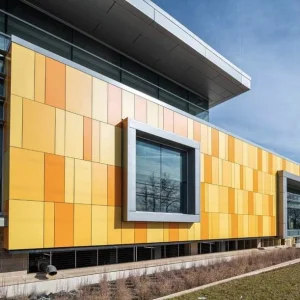
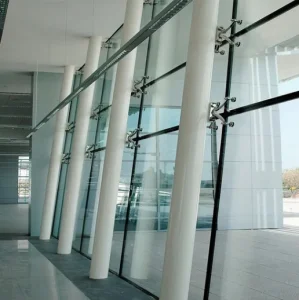
Explore our architectural glass facade systems, modular wall systems, and high-performance panel assemblies designed for commercial and institutional environments.

 Homecoxa Panels